HDB Reinstatement Contractor Services
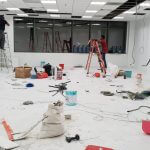
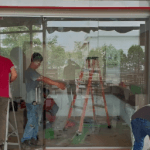
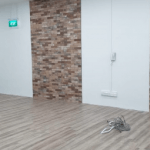
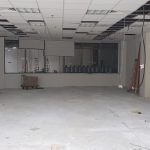
An HDB reinstatement contractor specialises in restoring commercial units to comply with the Housing Development Board’s renovation guidelines. This ensures the property meets regulatory standards, especially before resale or tenancy. Choosing a qualified reinstatement contractor like Get Contractor is essential to ensure all modifications, including wall reinstatements and removals, adhere strictly to HDB rules.
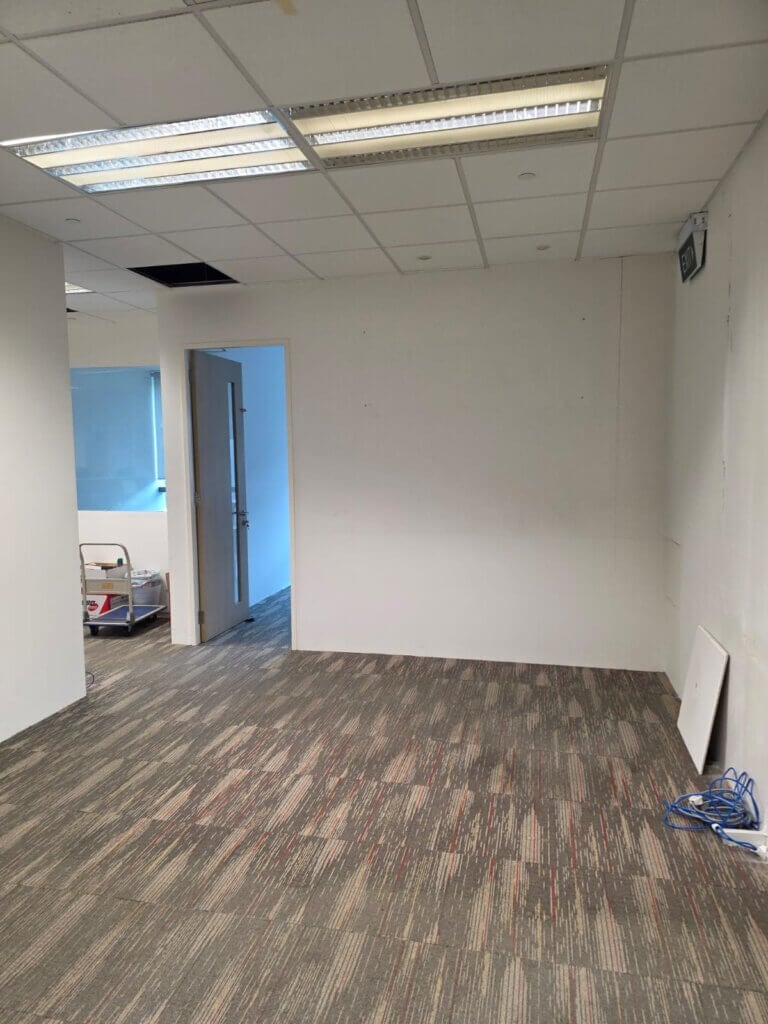
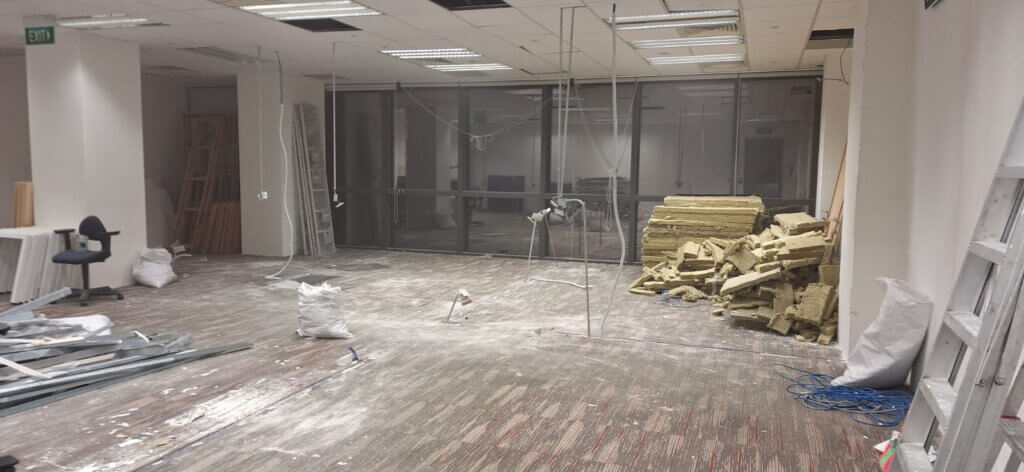
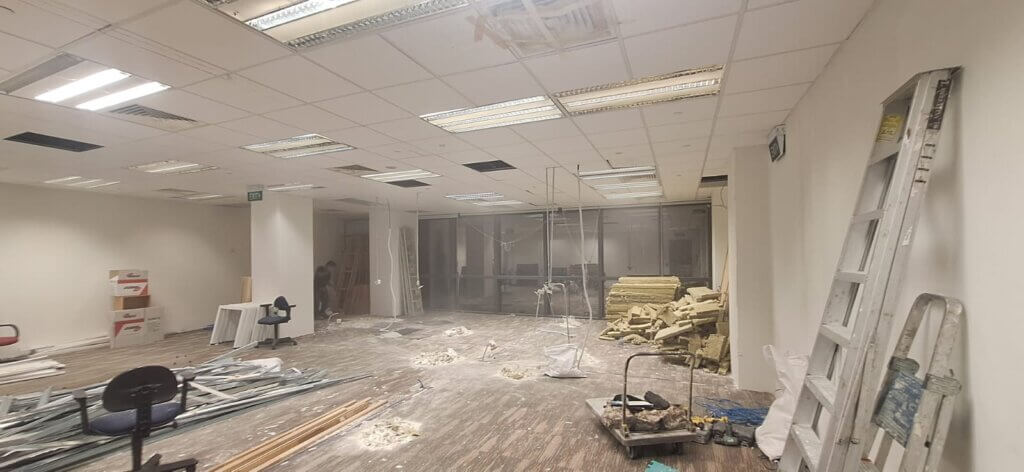
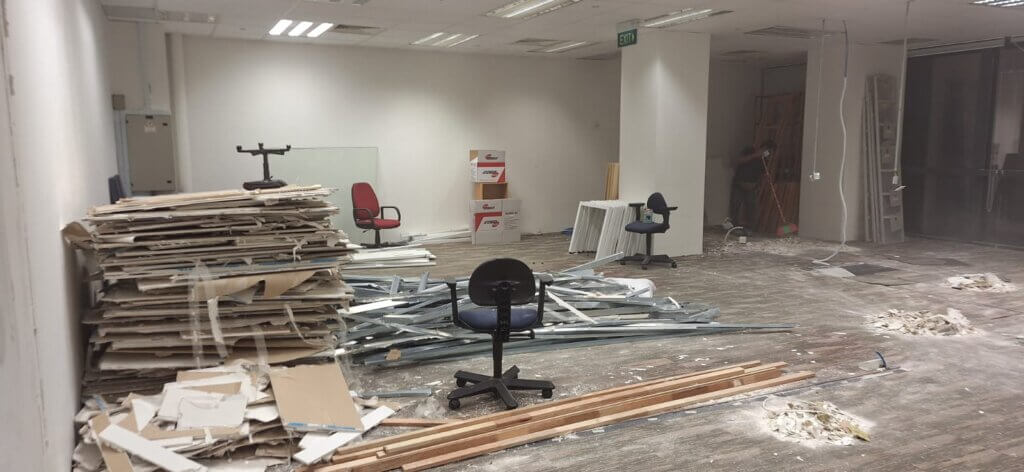
These contractors are experienced in handling permits, such as hacking permits, and managing the technical requirements involved in reinstatement work. Their expertise helps avoid delays and penalties by ensuring renovations are safely and professionally reversed when required.
For HDB commercial rentals, engaging an HDB reinstatement contractor provides peace of mind that the unit’s condition will meet official standards. This can enhance the property’s marketability and prevent complications during HDB inspections or resale processes.
What Is HDB Reinstatement?
HDB reinstatement involves restoring a flat or unit to its original condition, especially after renovations or modifications. It ensures that any unauthorised works or structural changes are reversed to comply with rules, maintaining safety and tenant obligations.
Definition and Purpose
HDB reinstatement is the process of returning a property to its original state after alterations, such as wall hacking or renovation. The purpose is to meet the requirements set by the Housing & Development Board (HDB) and landlords, especially when a tenancy ends or prior renovation approvals dictate.
This process prevents disputes by addressing unauthorised changes and ensures the flat remains safe and rentable. It safeguards property value and maintains the structural integrity of the unit.
Common HDB Reinstatement Works
Typical works include rebuilding hacked walls, removing unauthorised fixtures, repairing damaged surfaces, and reinstating original fittings. Contractors may dismantle partitions, restore floor finishes, replace removed doors, or fix plumbing and electrical installations altered during renovations.
These tasks require meticulous attention to detail because incomplete or poor reinstatement can result in penalties or rejected approvals from HDB.
HDB Regulations and Requirements
HDB requires strict adherence to renovation guidelines during reinstatement. Approval must be sought for hacking or structural changes, and reinstatement often involves submitting permits or inspection reports.
Work must comply with the HDB Renovation Guide, ensure safety standards, and use approved materials. Engaging qualified contractors familiar with HDB standards is essential to avoid delays and comply with all regulations.
About GetContractor.sg
Get Contractor works with the best contractors on the job whether it’s electrical repair or renovation. If you are looking for a top-class reinstatement specialist, then look no further than us!

- We have the best reinstatement specialists on hand
- Highly skilled and highly trained workforce
- Certified according to law
- Reasonable pricing
- Great after work service
We are HDB, bizSAFE Level 3 and GB2 Builder Licensed.

Call or text or whatsapp: +65 9172 6611 (Peter)
Importance Of Hiring A Professional HDB Reinstatement Contractor
A professional HDB reinstatement contractor ensures the work complies with regulations, handles materials correctly, and manages time and costs effectively. Their expertise reduces the risk of delays, fines, and additional expenses, safeguarding both the property and its owner.
Compliance With HDB Standards
HDB has stringent rules governing reinstatement works. Only professional contractors who understand these specific standards can guarantee the completed works meet HDB requirements. Non-compliance risks penalties, fines, or even demand for rework.
A professional contractor ensures that all permits and approvals are properly obtained before starting the project. They follow approved methods and use HDB-compliant materials to avoid breaches. This reduces inconvenience during inspections and avoids costly delays.
Knowing the exact documentation and processes involved in reinstatement is vital. Licensed contractors guide clients through this paperwork, ensuring timelines are respected and requirements fulfilled.
Expertise In Handling HDB Materials
HDB reinstatement involves specialised materials and techniques unique to public housing. Skilled contractors understand how to manage these materials according to HDB specifications. Correct handling prevents damage to walls, flooring, and fixtures during removal or restoration.
Professionals ensure that high-quality finishes match the original state of the flat. This includes restoring walls, fixing electrical points, and repainting using approved products. Their experience minimises errors and guarantees a durable result.
By knowing the right tools and procedures, they avoid unnecessary disruptions. Proper reinstatement extends the life of the fittings and maintains the flat’s condition, protecting its long-term value.
Time and Cost Efficiency
Hiring a professional reinstatement contractor reduces both time and financial waste. Experienced teams plan the work precisely, avoiding delays common with inexperienced workers. Timely project completion ensures the flat is returned within set deadlines.
Professionals also avoid costly mistakes such as incorrectly removing fixtures or using substandard materials. They provide accurate cost estimates upfront, preventing unexpected charges. This transparency allows homeowners to budget effectively.
Managing the entire process, including approvals, procurement, and execution, streamlines the workflow. Clients save effort and stress by entrusting the project to capable hands, ensuring efficient reinstatement without overrun costs.
Core Services Provided By HDB Reinstatement Contractors
HDB reinstatement contractors focus on reversing unauthorised renovation works to comply with HDB regulations. Their expertise covers careful dismantling, precise restoration of partitions and false ceilings, and the repair or replacement of flooring to its original state.
Dismantling And Removal
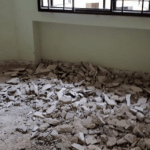
Contractors perform systematic dismantling of walls, fixtures, and fittings installed without approval. This includes hacking brick walls, removing built-in cabinets, and detaching M&E wiring or plumbing additions.
They ensure debris is safely cleared following HDB’s waste disposal guidelines. Proper permits, such as hacking permits, are obtained to avoid legal penalties. The process prioritises minimising impact on surrounding structures and neighbouring units.
Skilled workers use specialised tools to reduce dust and noise. Timely completion is crucial to meet handover deadlines or property resale conditions. The contractor coordinates with building management to ensure compliance with all necessary regulations.
Partition And False Ceiling Reinstatement
Contractors restore altered partitions and false ceilings to their original HDB-approved configurations. This involves removing unauthorised drywall, timber framing, or suspended ceiling systems.
They carefully reinstate structural elements, ensuring compliance with HDB’s safety and fire code requirements. Materials used typically match the original design to avoid discrepancies that cause non-compliance issues during final inspections.
Surface finishing, including plastering and painting, is executed to deliver neat and uniform walls and ceilings. Attention is given to electrical fixture positioning, ensuring that reinstated areas support proper lighting and ventilation as per guidelines.
Restoration Of Flooring
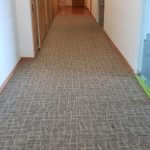
Floor reinstatement services return modified floor surfaces to their initial condition. Contractors remove unauthorised tiles, wooden flooring, or carpeting that may violate HDB’s specifications.
They repair concrete substrates or screeds damaged during removal. Replacement materials conform strictly to HDB standards, ensuring durability and appearance consistency.
Surface levelling and cleaning prepare the floor for new installations or enable smooth handover. The contractor ensures all flooring work avoids moisture issues and meets durability criteria set by HDB.
Painting And Surface Restoration
Effective painting and surface restoration are crucial to returning a property to its original condition. This involves meticulous preparation and the application of quality materials to ensure durability and a clean finish.
Wall And Ceiling Painting
Painting walls and ceilings after reinstatement must be done with care to match the existing surfaces. Contractors usually start by cleaning and priming the walls to create an even base. They apply paint using brushes or rollers, focusing on consistent coverage and avoiding streaks or bubbles.
It is important to use paints that comply with HDB standards, typically low-VOC or environmentally friendly options. Multiple coats may be required to cover patched or repaired areas, ensuring uniform appearance. Edges and corners receive extra attention to maintain a neat finish.
Plastering And Patching Holes
Plastering and patching holes is essential before painting to restore walls to a smooth surface. Small cracks and holes are filled with plaster or putty, then sanded to blend seamlessly with the surrounding area.
Large damaged sections may require re-plastering, which involves applying a new layer over the affected area. This helps create a consistent surface texture. Proper drying time is critical to prevent peeling or cracking after painting.
A quality finish depends on thorough surface restoration, which increases the longevity of the paintwork and ensures compliance with reinstatement guidelines.
Electrical And Plumbing Reinstatement
Reinstatement of electrical and plumbing systems is critical to ensure safety and compliance with HDB standards. This process involves careful removal of existing fixtures and restoring plumbing works to their original state, meeting specific regulatory requirements.
Removal Of Electrical Fixtures
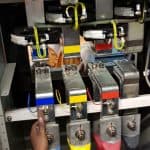
Removal of electrical fixtures must be performed by licensed electricians to prevent safety hazards. This includes detaching light fittings, switches, sockets, and any wiring modifications made during renovation.
The contractor ensures all electrical components are disconnected safely and disposed of correctly. After removal, the electrical points must be restored to their original positions, with proper wiring and fittings that comply with HDB’s specifications.
Documentation and testing follow to confirm the integrity of the electrical system. Any damaged or non-compliant parts are replaced to avoid penalties during inspection.
Restoration Of Plumbing Works
Restoring plumbing involves returning pipes, taps, drains, and sanitary fittings to their original layout and function. Licensed plumbers carry out this task, ensuring no leaks or defects remain from renovation alterations.
All plumbing fixtures are removed carefully without damaging existing water systems. The contractor reinstates sanitary equipment such as sinks, toilets, and showers, adhering strictly to HDB’s guidelines.
The process includes pressure testing and clearance of blockages to guarantee full functionality. Proper disposal of plumbing waste and restoration of wall or floor surfaces affected by plumbing works is also managed professionally.
Selection Criteria For HDB Reinstatement Contractors
Choosing the right HDB reinstatement contractor requires attention to their legal standing, past work quality, and the terms of their contract. Each aspect ensures compliance, reliability, and clarity throughout the project.
Licensing And Accreditation
The contractor must be listed in the HDB Directory of Renovation Contractors (DRC). This listing confirms they meet government safety and quality standards. Being on the DRC also ensures they have the proper permits for reinstatement work.
Accreditation from recognised institutions or trade bodies adds credibility. It signals the contractor adheres to industry best practices and updates. Clients should verify that reinstatement contractors carry relevant licences for wall hacking and reinstatement work.
Without proper licensing, the risk of non-compliance fines or project delays increases. It also impacts insurance coverage if issues arise during the reinstatement process.
References And Track Record
Reliable contractors provide a portfolio of completed HDB reinstatement projects. These examples show their experience with similar flats and renovation complexities. Checking customer reviews and testimonials helps confirm workmanship quality and reliability.
Clients should ask for references and contact previous customers directly. This feedback reveals how well the contractor adhered to timelines, communicated, and handled problems. A positive track record reduces the risk of substandard work or disputes.
Contractors with long-standing reputations in the HDB reinstatement sector demonstrate consistency and professionalism. This history is often a better gauge of future performance than marketing claims.
Quotation And Contract Review
Obtaining a detailed written quotation is essential. It should break down costs for materials, labour, permits, and any contingencies. Transparency here prevents unexpected expenses mid-project.
Clients must carefully review contract terms, including project timelines, payment schedules, and warranty coverage. Clear clauses about liability, damage, and dispute resolution protect both parties.
Any clauses allowing changes or extra charges should be clearly defined. The contract must comply with HDB regulations and specify adherence to reinstatement guidelines.
A well-drafted contract minimises misunderstandings and sets expectations for a smooth reinstatement process.
Process Overview And Timeline
The reinstatement process for HDB flats follows a structured sequence to ensure compliance and quality. Each stage demands detailed attention to documentation, work scope, and inspection to meet HDB’s reinstatement standards within a strict timeframe.
Initial Site Assessment
The contractor begins with a thorough site assessment to evaluate the condition of the flat and identify areas requiring reinstatement. This includes measuring walls, checking for previous alterations, and noting finishes that must be restored to their original state.
During this assessment, the contractor verifies compliance requirements set by HDB, such as removal of unapproved fixtures and repairing any damage not allowed. The findings form the basis for preparing an accurate and detailed reinstatement plan.
A clear timeline is proposed after considering the flat’s condition, complexity of work, and permit requirements. Early detection of potential issues helps prevent delays during execution.
Scope Of Work And Planning
The scope covers all necessary tasks, including hacking, wall reinstatement, fixing tiles, repainting, and removal of materials that do not meet HDB guidelines. The contractor prepares a detailed plan outlining these tasks along with timelines and costs.
Planning includes submission of reinstatement permit applications to HDB, which must be approved before work begins. This process involves completing specific documentation and ensuring the contractor is listed in HDB’s Directory of Renovation Contractors (DRC).
Coordination with other trades during reinstatement is crucial to avoid conflicts and ensure work progresses smoothly. Contractors also schedule inspections at key milestones to maintain quality control and compliance throughout.
Final Inspection And Handover
Upon completion, the contractor arranges a final inspection to verify that all reinstatement work meets HDB’s requirements. This stage includes checking wall finish restoration, cleanliness, and removal of all renovation debris.
The contractor addresses any defects or incomplete work identified during this inspection before submitting the final reinstatement report. Once approved, the flat is formally handed back to the owner or relevant party.
This phase ensures the flat is restored to its original condition, meeting all safety and renovation standards imposed by HDB, ready for new tenancy or sale without compliance issues.
Cost Factors In HDB Reinstatement
The cost of HDB reinstatement varies based on several distinct components, including material choice and labour. The pricing structure breaks down into specific charges directly tied to the scope of work and other influencing factors related to property size and finishing standards.
Breakdown Of Typical Charges
Reinstatement costs generally cover materials, labour, and project management fees. Materials include flooring, paint, ceiling, and fixtures to restore the unit to its original condition. Labour charges fluctuate depending on the complexity of tasks such as wall repair, carpentry, and electrical work.
Typical pricing ranges from S$10 to S$20 per square foot. This includes repainting walls, tiling floors, and removing all tenant modifications. The need for specialised tasks or premium materials can increase these costs. Additional charges might appear for waste disposal and obtaining necessary approvals from HDB or other authorities.
Factors Affecting Pricing
Several factors cause price variation in HDB reinstatement. The unit’s size is a primary consideration since larger flats require more material and labour. The extent of damage or modifications also impacts pricing, as more extensive restorations need additional work.
Material quality strongly influences cost. Standard options like basic tiles or emulsion paint keep pricing moderate, while upgraded finishes such as quartz surfaces or hardwood flooring increase expenses. Labour rates differ between contractors and may include bundled services or separate fees for specialised trades, which affects the final price.
Tips For A Smooth HDB Reinstatement Experience
Effective communication and thorough record-keeping can reduce delays and prevent misunderstandings during the reinstatement process. These elements ensure that all parties are aligned with HDB requirements and timelines.
Coordinating With Your Contractor
A clear work schedule should be established from the start. The contractor must use HDB-compliant materials and carry out work within approved hours. Engaging an experienced contractor familiar with HDB reinstatement rules helps avoid complications during inspection.
Regular updates between the homeowner and contractor allow early identification of issues. Site visits from the homeowner or property manager ensure work aligns with agreed scopes. Timely approvals and coordination with HDB guidelines are crucial to prevent rework or penalties.
Documenting The Reinstatement Process
Keeping a detailed record of all reinstatement activities is essential. This includes photographs before, during, and after work, receipts for materials used, and copies of permits or approvals.
Documentation helps verify compliance with HDB standards and supports any dispute resolution. It also provides a reference for future maintenance or further renovation works. Clear records simplify the final handover and inspection processes.